
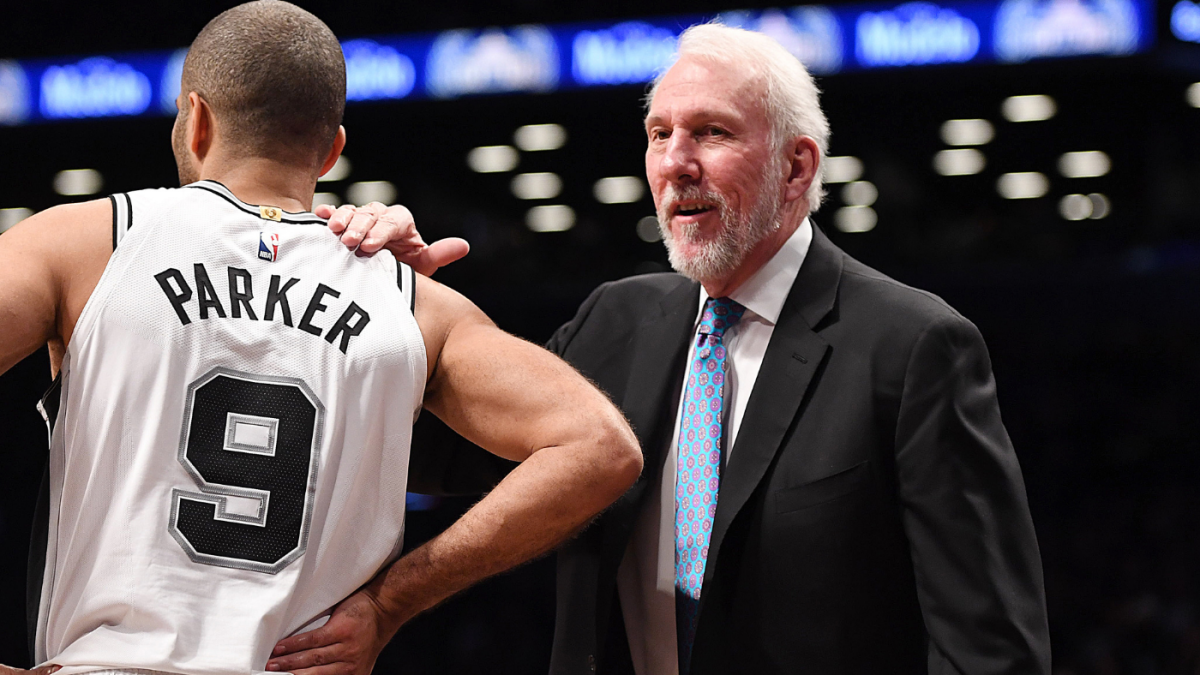
Gregg Popovich, who announced Friday that he will officially step down as head coach and transition into a full-time role as team president for the San Antonio Spurs, has had a remarkable career filled with achievements.
His five titles, 18-consecutive seasons with 50 or more wins, highest winning percentage for any head coach in NBA history, 170 playoff wins, and three Coach of the Year awards are just a few of the accolades that highlight his greatness.
However, one of Popovich’s most enduring legacies is his ability to turn stars into partners rather than just players, creating a culture of greatness within the Spurs organization. This approach, characterized by coming together and partnership rather than flashy recruitment tactics, has been instrumental in the Spurs’ success.
Popovich’s teams were often overlooked, but the emphasis on collaboration and maintaining excellence through relationships rather than forceful tactics proved to be a winning formula. His players, including Tim Duncan, chose to stay in San Antonio, taking less money and shunning the limelight to continue building something special.
Popovich’s quiet, understated approach to team-building and player development set him apart from other coaches. His ability to foster strong relationships with his players and create a cohesive team dynamic without the need for star-studded additions or attention-grabbing headlines speaks volumes about his coaching philosophy.
The Spurs’ 2014 championship, achieved through selflessness, basketball acumen, and foresight, exemplifies the success of the “Pop Way.” Despite facing challenges such as an aging roster, Popovich’s innovative strategies and ability to see the game clearly set his team apart.
Overall, Popovich’s legacy as one of the greatest coaches in NBA history is not just defined by his on-court achievements, but also by his unique approach to team-building and player relationships that have left a lasting impact on the league.
The NBA had to change its rules in the 2020s to combat the innovative strategies implemented by a legendary coach who was years ahead of the game. This coach, known for his ability to manage egos and get buy-in from his players, revolutionized the way teams approached player minutes. By convincing his star players to play fewer minutes and focus on the team’s success over individual shine, he led his team to a championship without a single player averaging 30 minutes per game during the regular season.
This bold approach, which prioritized collective greatness over individual accolades, paid off in the long run. By reducing the playing time of his veteran stars and developing young talent, the coach orchestrated a title run that dethroned a formidable opponent. Despite the departure of key players in the following years, the culture and tactical strategies established by the coach continued to define the team’s success.
As the coach transitions to a new role within the organization, the legacy of his innovative coaching style is expected to endure for years to come. The commitment to team success over individual achievements, the emphasis on strategic load management, and the ability to cultivate a winning culture have set a standard that will shape the future of the team. The Pop Way, as it is known, will continue to influence the team’s approach and success in the post-coaching era.