
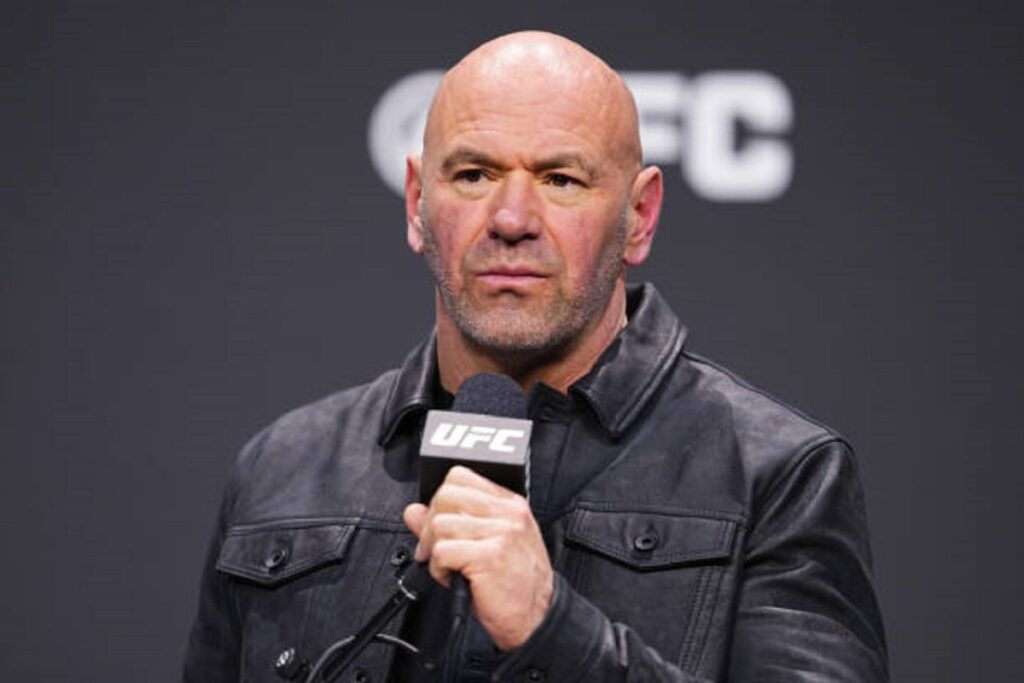
Boxing has long been the reigning champion in terms of revenue and cultural prestige, thanks to its century-old traditions and superstar-driven pay-per-view model. However, MMA, led by the UFC’s aggressive branding and fan-friendly pacing, has been steadily gaining ground. The competition between the two sports for viewers, sponsors, and cultural relevance remains intense, with figures like boxing promoter Eddie Hearn and UFC President Dana White often engaging in debates over which sport offers the better product.
Recently, Eddie Hearn made comments on “The Ariel Helwani Show” criticizing MMA for its struggles in producing mainstream stars. In response, former UFC middleweight champion Michael Bisping delivered a sharp rebuttal on his YouTube channel, challenging Hearn’s assertion that boxing still holds dominance in combat sports, especially among younger fans. The debate has reignited discussions over which sport truly holds more cultural relevance.
Bisping also contested Hearn’s claim that boxing’s presentation surpasses that of MMA, pointing out the production levels and focus on the fight at UFC events. While UFC’s streamlined pacing and in-cage action are seen as advantages over boxing’s often drawn-out broadcasts, the theatrics in boxing stem from its athlete-friendly power structure, where boxers have more control over certain aspects of their performances.
The discussion may soon extend into a new arena, as Dana White prepares to launch TKO Boxing in partnership with Saudi Arabia, potentially blurring the lines between MMA and boxing even further. This move could offer MMA fans a crossover product while challenging the established model of traditional boxing events.
The ongoing debate between boxing and MMA continues to shape the landscape of combat sports, with both sides vying for supremacy in terms of viewership, engagement, and overall cultural impact.